By Captain Carl Schoenbucher
Master, Stena Polaris
The good vessel Stena Polaris recently wrapped up a 25,000 NM voyage around the world in support of this year’s Operation Deep Freeze.
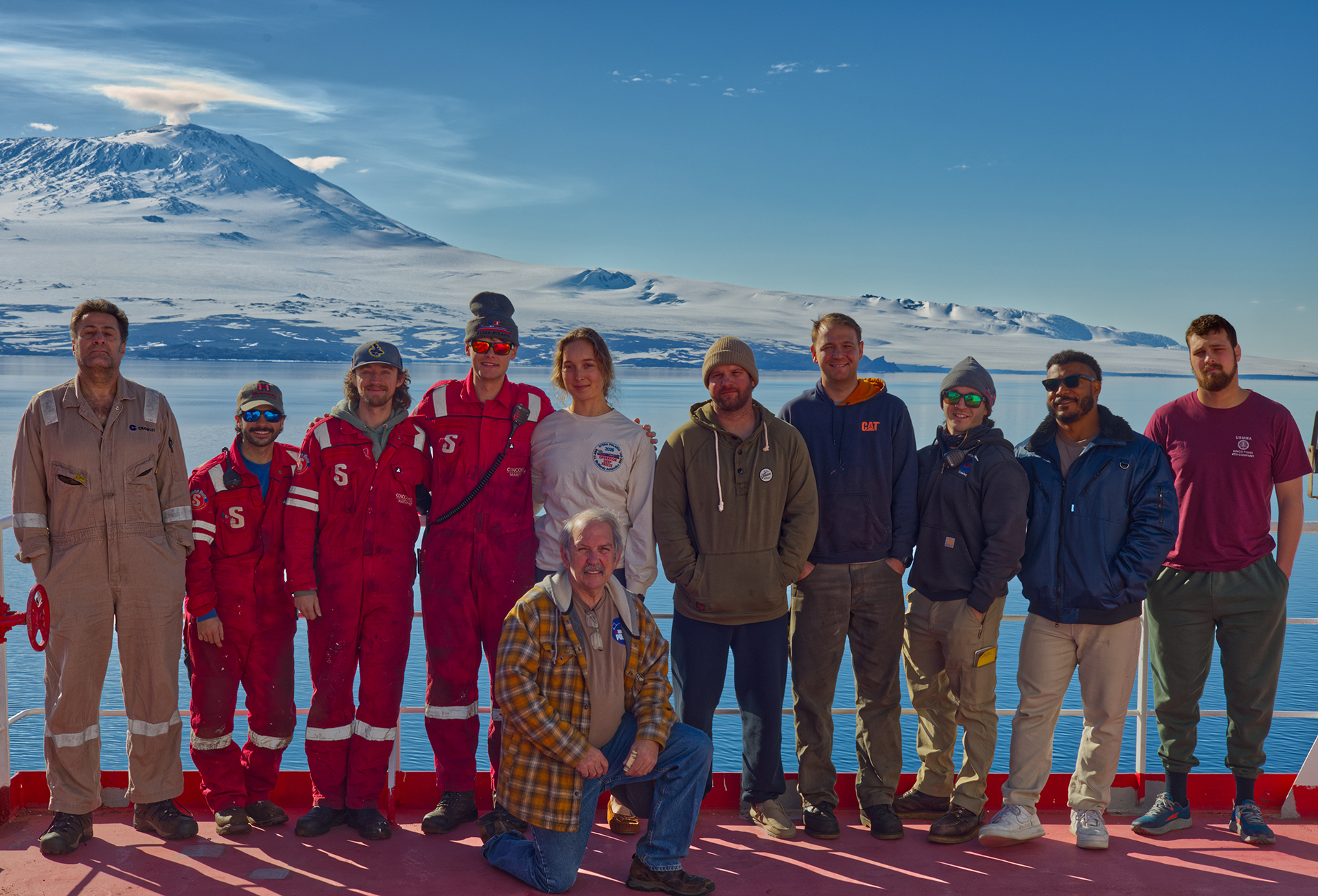
AMO officers onboard the Stena Polaris for the mission included Chief Engineer Allen Hamond, Second Mate Rob Sirois, Third Mate George Bellenger, Third Mate Tristin Woolf, Second Mate Kirsten Snyder, Second Assistant Engineer Connor Daly, Third A.E. Marcus Adam, Chief Mate Joe Mainella, Ice Captain Leroid JR Jones, Third A.E. Cordell Johnson, and Captain Carl Schoenbucher.
The logistical challenges were a little greater this year due to the limitations set for available routes that could be used. We loaded our vessel out of the Mediterranean and would have typically transited through the Red Sea and proceeded down to McMurdo through the Indian Ocean. However, due to the continuing conflicts in the southern Red Sea, we were directed to exit the Mediterranean and proceed south to the Cape of Good Hope. This was an approximately 7,000 NM voyage (21 days) and our ship and crew were able to pick up an Emerald Shellback Certificate along the way.
After a brief visit in Cape Town, ZA, we continued around the Cape and proceeded on a southeasterly course for about 7,300 NM (24 days) until reaching the correct longitude to cut through the Ice Bridge and get down into the Ross Sea. This is just about the loneliest and roughest section of ocean in the world. Notably, we did not see another ship on AIS or radar for 21 days. This was a first in my career after 35-plus years at sea. We were fortunate to be able to slip between systems as we wove our way further south into the Southern Ocean without experiencing any notable wind and seas.
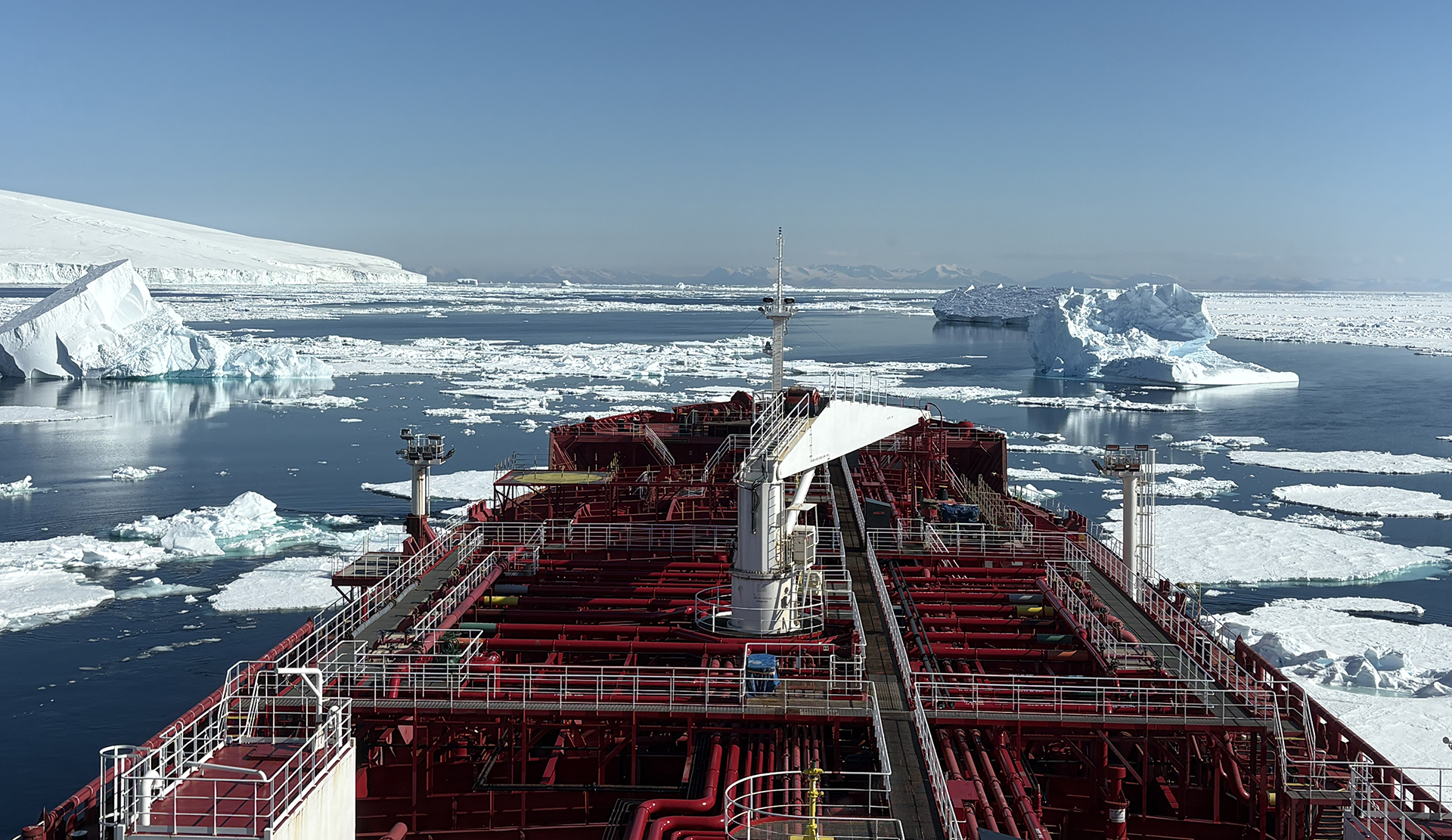
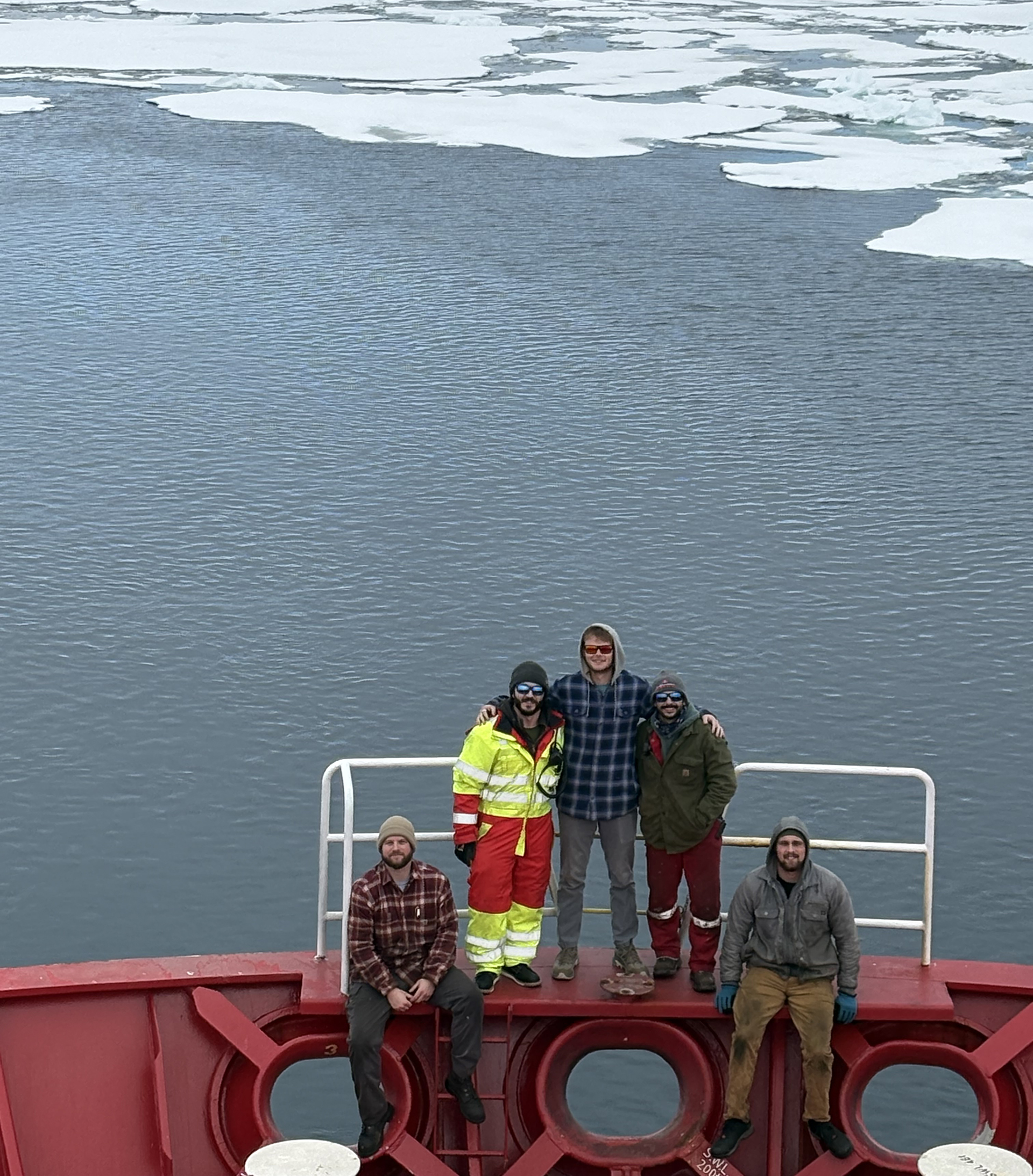
The passage through the Ice Bridge took us about 30 hours of 8/10 ice. Prior to entering the Ross Sea, our good ship and crew were blessed by King Neptune and the Emperor Penguins Court and they were awarded their Red Nose Certificates. After a 48-day voyage, we arrived at the ice shelf three days earlier than predicted, ready to complete our mission once the ice channel was completed by the U.S. Coast Guard cutter Polar Star.
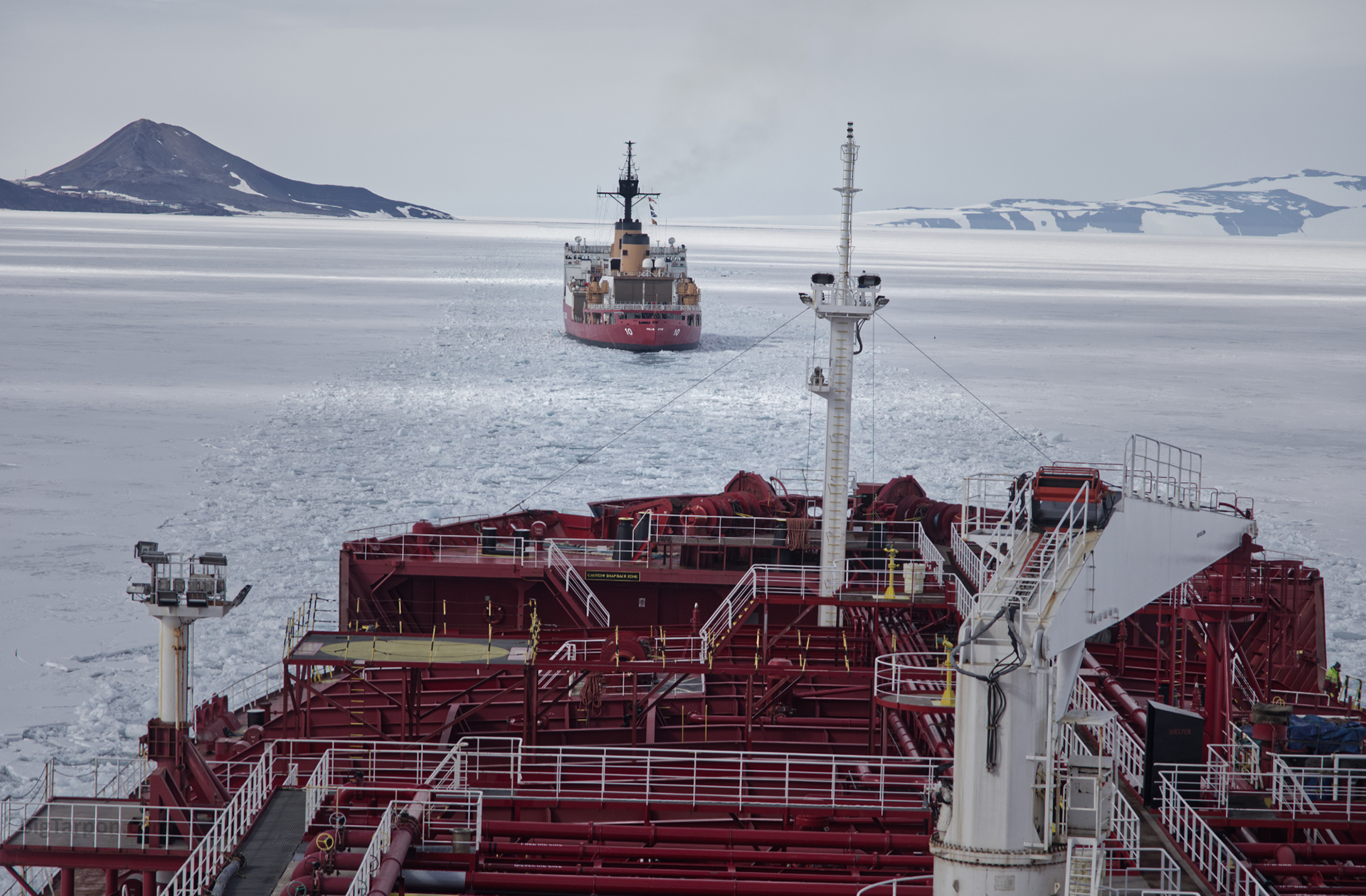
This year’s delivery of fuel to McMurdo marked the following achievements and landmarks since the start of these re-supply missions.
- The Stena Polaris is the largest ship to ever pull into the ice pier at McMurdo without tug assist or bow thrusters. The pier is made out of ice, floating freely, and is attached to land by cables. No mooring lines actually go to the pier. There was still a lot of ice in the harbor, so this evolution took us over five hours and required the Polar Star to come back in and break the ice up more than it was.
- The Stena Polaris was the last ship to ever tie up to an ice pier at McMurdo. Once we left, the ice pier was towed out and a new docking system installed. This is the end of an era, and I have come in on three classes of tankers to this pier over the last 25 years.
- This was probably the longest cargo lift with minimal stops ever recorded for this particular mission. We topped the ship off with 140 days of fuel, 120 days of provisions, and took freshies at Cape Town, McMurdo, and Punta Arenas.
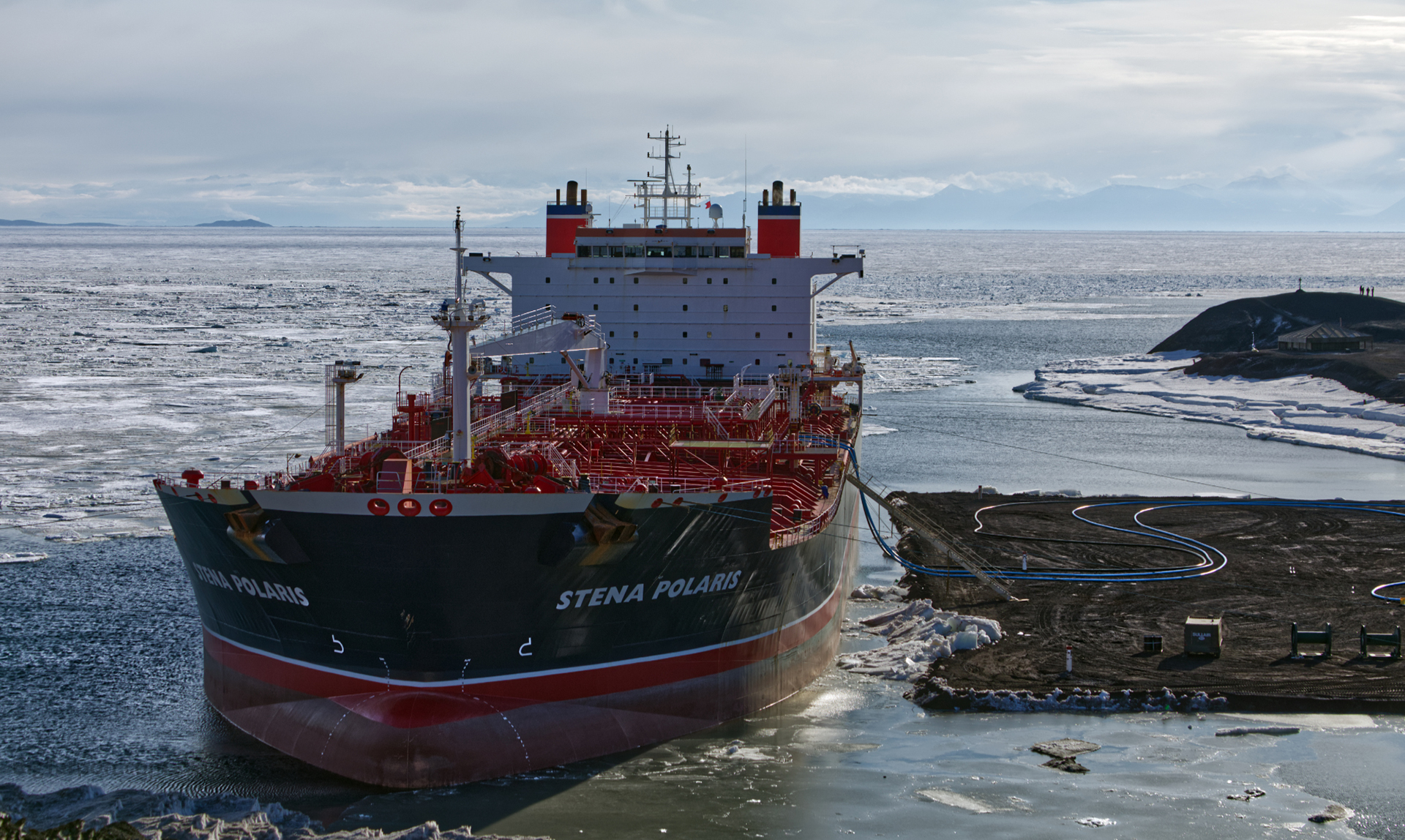
I am happy to announce all cargo operations went without a hitch, and we were able to get in and out in a timely manner. A big shout out to the entire crew for this accomplishment — we all pulled together.
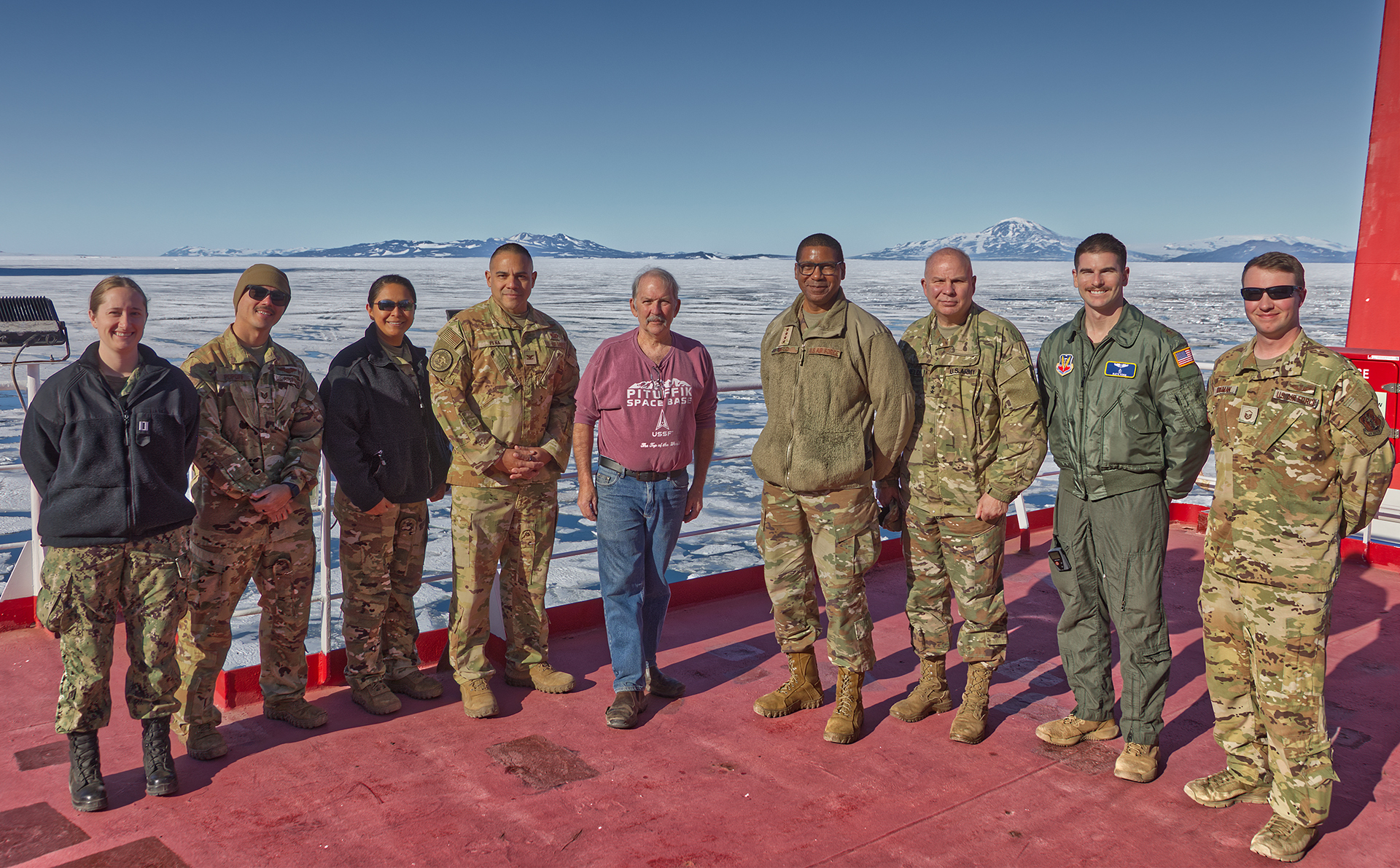
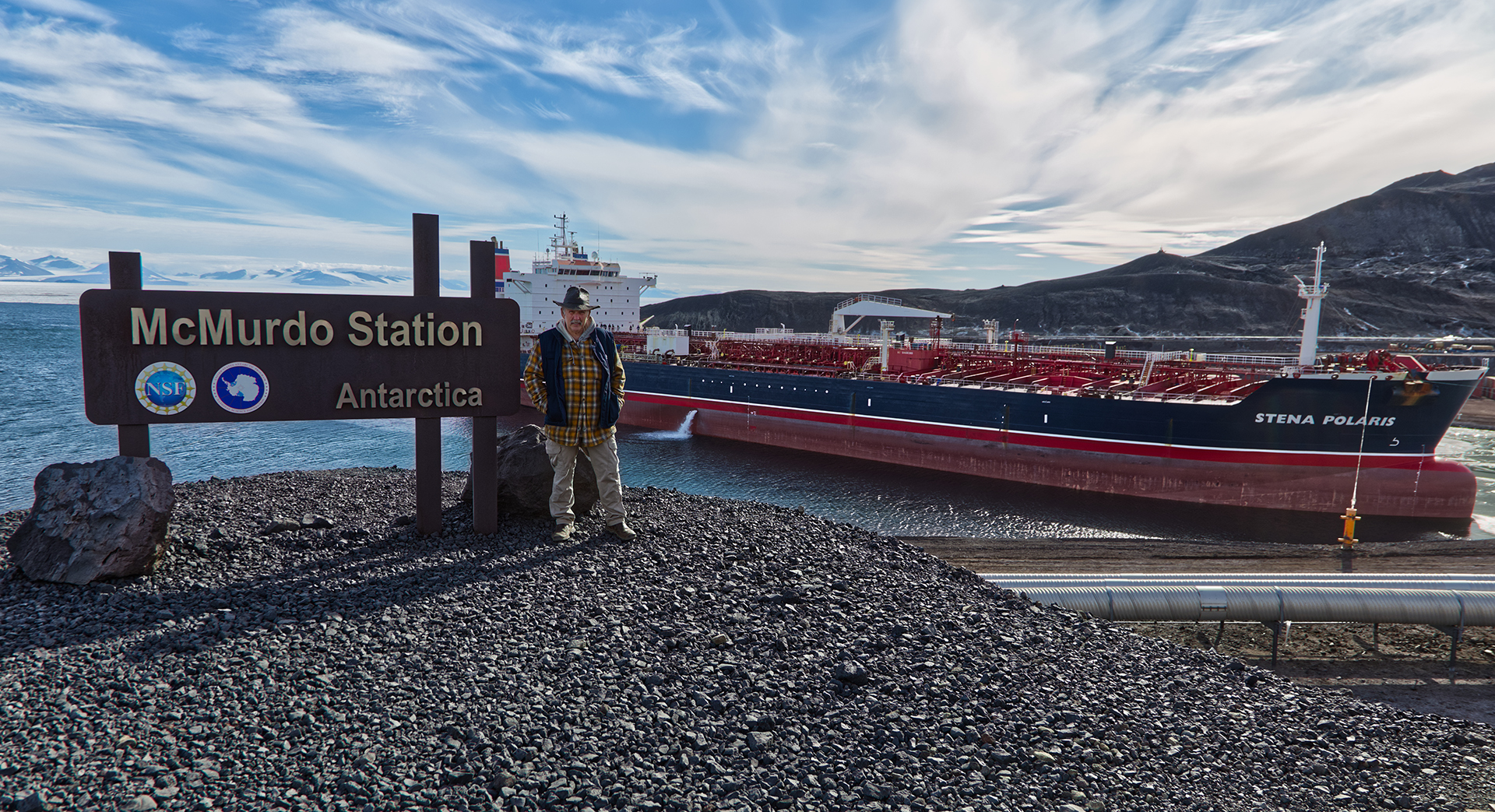
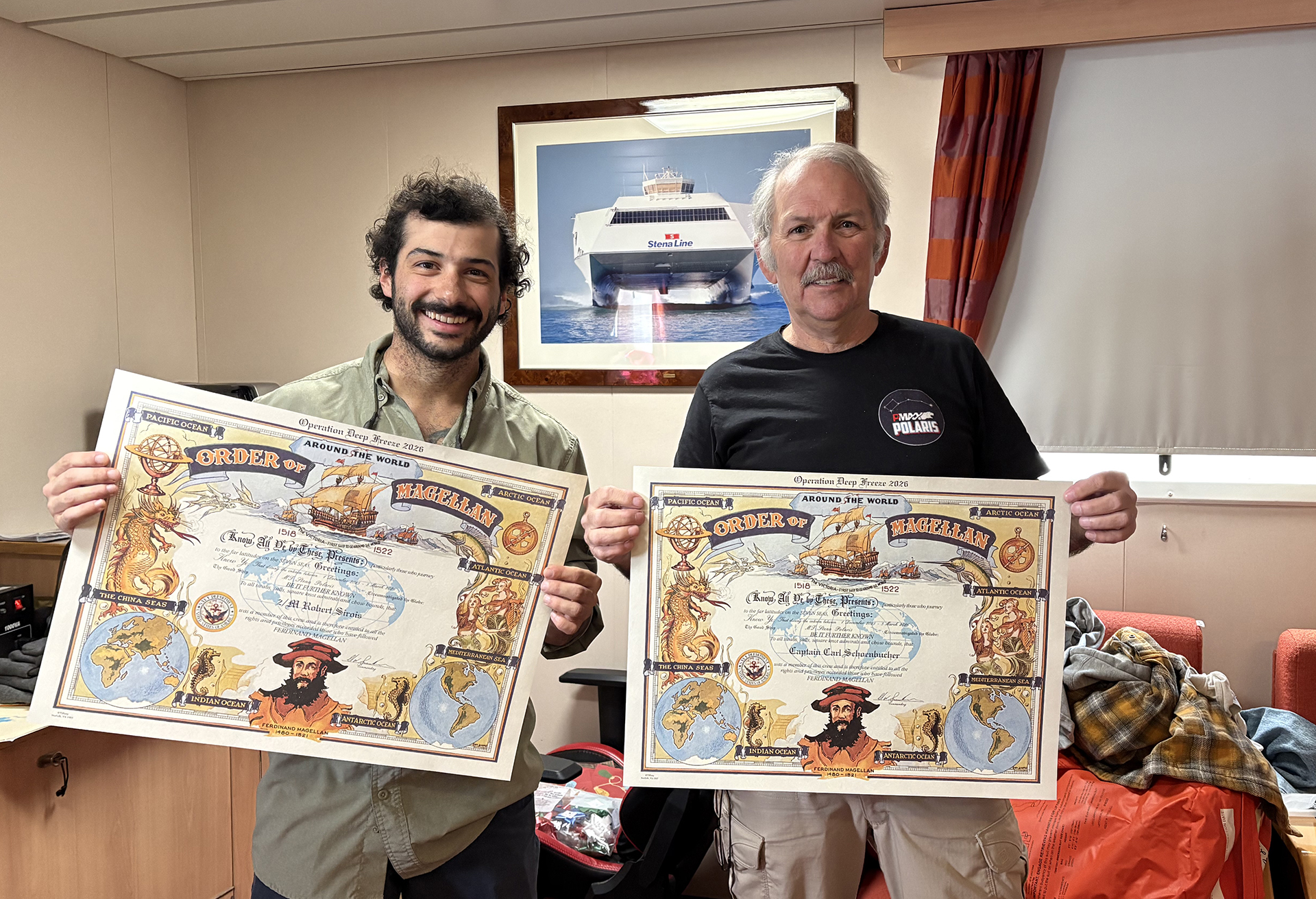
Upon departing McMurdo, we came back out of the Ross Sea and continued to proceed east toward Cape Horn, 4,000 NM (13 days). We were finally challenged and had four to five days of working in thick fog and ice because we couldn’t break out of the Southern Ocean due to storm force winds and seas to the north of us. This weather pattern continued right up until we rounded Cape Horn, and our good ship and crew were awarded their Mossback Certificates. I also awarded each member of the crew with a single gold earing, which is a rite of passage for this achievement.
After a brief stop in Chile for FFV and a crew change, our vessel continued north to complete our circumnavigation of the Earth, with close to 10,000 NM between 50 and 60 South in the world’s most desolate and dangerous oceans. The last leg of the voyage, back to the Mediterranean, was about 6,300 NM (20 days) and earned the new crew their Shellback Certificates. This will have made this entire mission approximately 95-plus days start to finish at the Strait of Gibraltar. Bravo Zulu goes out to all who supported this mission, which led to its success.